Haight Stang, LLC successfully helps the injured recover compensation they deserve.
Third-Party Liability in Kansas City Workers’ Compensation
When a Workplace Injury Involves More Than Your Employer
Workers’ compensation pays your medical bills and replaces a portion of your wages, but it doesn’t cover everything you’ve lost. When someone other than your employer contributed to your injury, a third-party liability claim may run alongside your workers’ comp case and open the door to a broader recovery. At Haight Stang, LLC, we handle workers’ compensation claims under both Kansas and Missouri law, serving injured workers across the Kansas City metro on both sides of the state line.
Third-party situations aren’t always obvious. Our founding attorneys, Mike Stang and Michael Haight, both spent time working for employers and insurance companies before shifting to represent injured workers. That background tells us how those parties evaluate and respond to third-party exposure. It means we know what to look for before the other side does.
If you were hurt at work and believe another party may share responsibility, contact us at (913) 815-1347 to discuss what options may be available.
What Third-Party Liability Means in a Workers’ Comp Case
A third-party liability claim arises when someone other than your employer, whose negligence contributed to your workplace injury, can be held legally responsible. That claim doesn’t replace your workers’ compensation case. It runs alongside it, and the two require coordinated legal strategy to manage effectively.
The key distinction is fault. Workers’ compensation is a no-fault system, so you don’t have to prove anyone did anything wrong to receive benefits. A third-party claim is different. To recover from a third party, you must prove negligence: Their actions or failures must be shown to have caused your injury. In product liability situations, the equipment or machinery must be proven defective and causally connected to what happened.
When successful, third-party claims may provide benefits that workers’ compensation alone doesn’t reach, including:
- Full wage reimbursement
- Full medical treatment from your own physician
- Pain and suffering damages
- Potential future income losses
- Punitive damages in appropriate cases
Who Can Be Held Liable in a Kansas City Workplace Injury
The responsible third party depends on how and where the injury occurred. Common examples include subcontractors on construction sites, manufacturers of defective equipment or machinery, property owners where work is being performed, at-fault drivers in on-the-job vehicle accidents, and co-employees whose conduct may fall under an employer’s general liability policy.
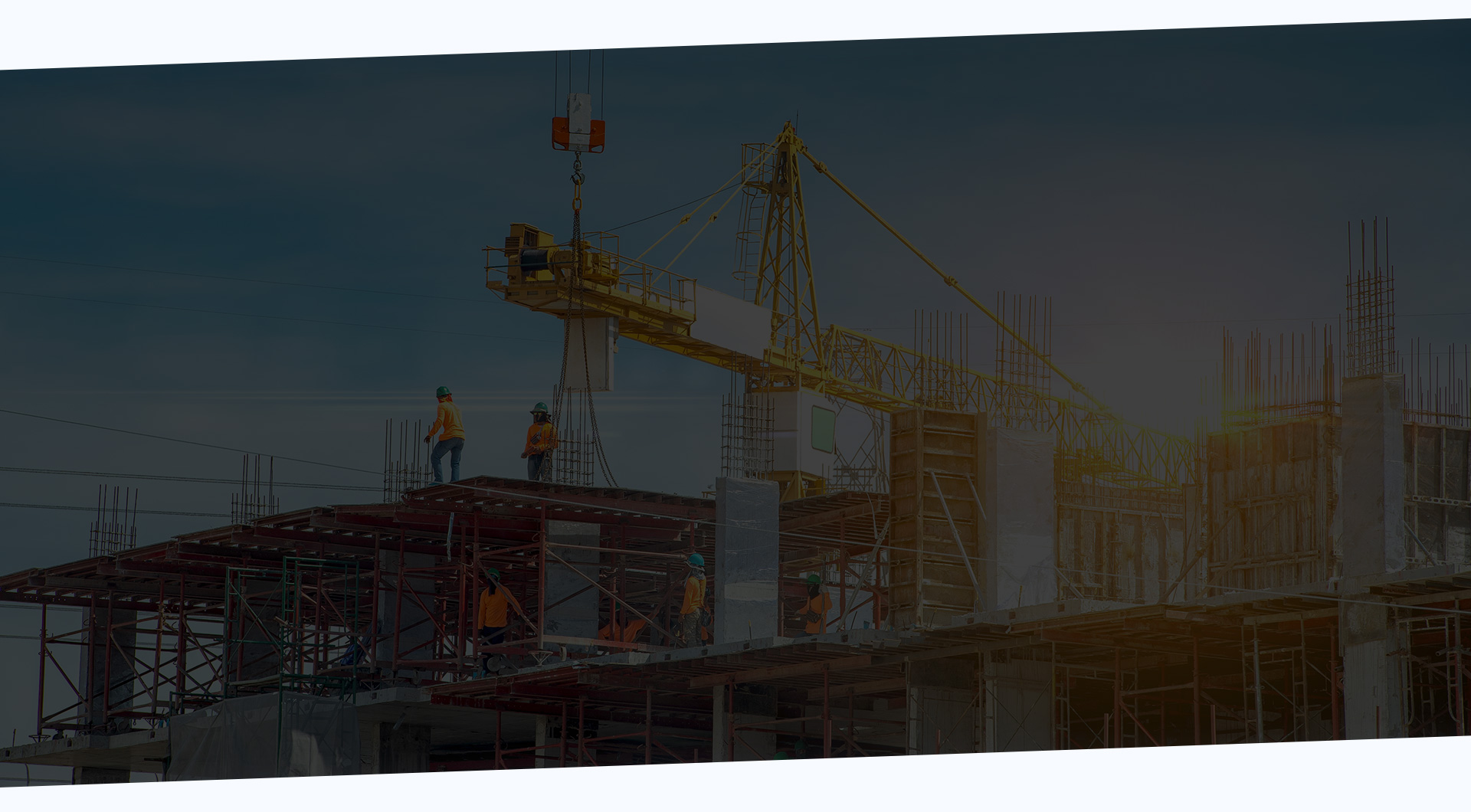
Construction sites are a frequent source of these claims because multiple companies often operate in the same space. When supervisors from different companies are directing work on the same project, responsibility can be shared or actively contested. Identifying the liable party requires investigation, and not every responsible party is apparent to someone who hasn’t handled these cases before. A thorough review with a Kansas City workers’ compensation attorney early in the process can uncover third parties that would otherwise go unidentified.
Fault Rules in Kansas & Missouri
The governing fault rules differ depending on which state’s law applies. Kansas uses a modified comparative fault standard with a 50 percent bar: A worker found 50 percent or more at fault cannot recover from a third party. Missouri applies pure comparative fault, which allows recovery even when the injured worker bears some responsibility, reducing the award proportionally. These distinctions matter when evaluating whether and how to pursue a third-party claim for a Kansas City area worker.
Statute of Limitations
One timing issue that can’t be overlooked: the statute of limitations for a third-party liability claim is often different from, and may be shorter than, the deadlines governing workers’ compensation benefits. Waiting to consult an attorney can cost you the right to pursue a claim that otherwise exists.
When the Employer Is at Fault
Kansas and Missouri workers’ compensation systems are no-fault systems. Neither you nor your employer has to prove fault for you to receive benefits. That structure reflects a trade-off: Employees get limited but guaranteed benefits, and in exchange, workers’ compensation is generally the exclusive remedy against the employer. Whether your negligence or your employer’s contributed to the injury isn’t part of a standard workers’ comp claim.
There is a narrow exception. If an employer’s intentional conduct caused your injury, a direct claim against the employer may be possible under certain circumstances, but pursuing that path may require giving up your workers’ compensation benefits. That trade-off needs to be evaluated carefully against the specific facts of your situation before any decision is made.
How Haight Stang, LLC Handles Third-Party Claims
Managing a workers’ compensation claim and a third-party liability claim at the same time requires careful coordination. The workers’ compensation insurer may assert a subrogation lien, which is a right to be reimbursed from any third-party recovery, and accounting for that lien is part of building a complete legal strategy. Evidence must be preserved, deadlines in both systems must be tracked, and statements made in one proceeding can affect the other. Getting an attorney involved early matters in ways that aren’t always apparent until it’s too late.
Mike Stang and Michael Haight built their practice on workers’ compensation, so they understand how to identify a third-party claim that exists alongside a comp case, not instead of it. Their prior work for employers and insurance companies gives them a working knowledge of how those parties assess and defend third-party liability exposure. We focus on pursuing the maximum possible compensation for injured workers and keep clients informed throughout, with clear communication about claim status and what to expect at each stage.
Talk to a Third-Party Liability Attorney in Kansas City
If you were injured at work and a third party may have contributed to what happened, the window for acting may be shorter than you expect. We can evaluate your situation, identify whether a third-party claim exists alongside your workers’ compensation case, and pursue the full recovery you may be entitled to under Kansas or Missouri law.
Call us at (913) 815-1347 or use the contact form on our website to schedule a consultation. The sooner we review your case, the more options we may be able to preserve for you.


Our Satisfied Clients
-
"He worked on the case throughout the year; keeping me informed. He negotiated a reasonable settlement."
-
"I would recommend that anyone who is seeking representation with workman's comp to talk with this firm."Jill H.
-
"He helped me get the surgeries I needed and was a wonderful advocate."Jeanie A.